Integrated Production for Lifting OEMs: When It’s the Right Choice (and When It’s Not)
In the industrial lifting sector, integrated production has become one of the main criteria for evaluating OEM suppliers. However, it is not automatically the best solution in every context.
For a technical buyer or procurement manager, the real challenge is not understanding what integrated production is, but knowing when it makes sense to adopt it and how to identify a truly structured partner.
It is at this decision-making stage that experience, methodology, and the ability to manage industrial complexity come into play.
What Integrated Production Really Means in Industrial Lifting
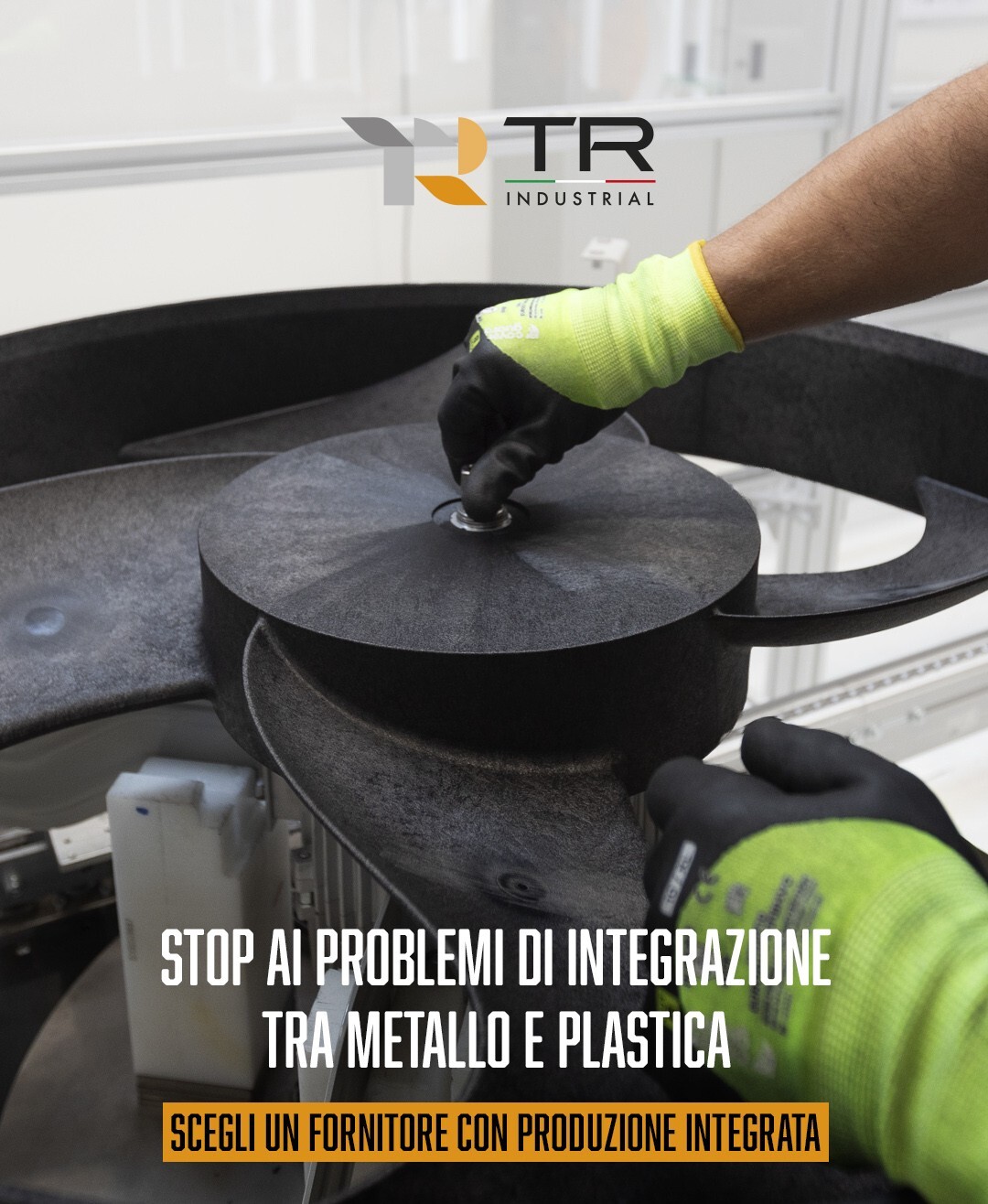
In the OEM context, integrated production refers to a supplier’s ability to internally manage multiple stages of the production process:
laser cutting, CNC bending, welding, assembly, and surface treatments such as powder coating or e-coating.
But true integration is not just a sum of processes.
It is technical coordination, process continuity, and a single point of responsibility for the final outcome.
It is on this level that some suppliers—like TR Industrial—have built their industrial model: not as executors of individual stages, but as managers of the entire production cycle.
When Integrated Production Is a Strategic Choice for Lifting OEMs
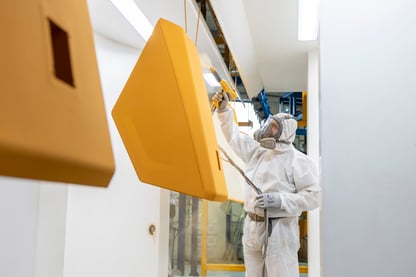
Integrated production becomes particularly effective when:
- Structural components are critical for final assembly
- Production volumes require high repeatability
- Line stoppages generate significant costs
- The current supply chain is fragmented and hard to manage
In these scenarios, reducing the number of suppliers mainly means reducing interfaces and uncontrolled variables.
This is where a structured industrial partner makes the difference, as they can manage the entire process, not just individual operations.
When Integrated Production Is NOT the Best Solution
A mature approach to integrated production also recognizes its limits.
It is not always the most efficient choice when:
- The component is simple and non-critical
- Volumes are low or highly variable
- Maximum flexibility is required at the expense of standardization
TR Industrial itself follows this principle: integration makes sense only when it brings control and stability, not when it adds unnecessary rigidity.
This is often the first indicator of a reliable industrial partner.
Integrated Production vs. Fragmented Supply Chain: The Real Differentiator
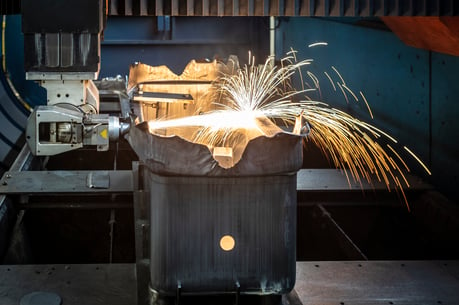
The value of integrated production does not lie in “doing everything in-house,” but in making production processes work together.
A truly integrated model ensures that:
- Bending is designed with welding sequences in mind
- Welds are designed for the machine’s actual stresses
- Surfaces are prepared with the final treatment in mind
- Assembly minimizes adjustments and on-line interventions
This is the principle on which TR Industrial has developed its approach: designing and industrializing components while already considering their function within the OEM system.
The Real Test: Industrialization and Series Ramp-Up
In industrial lifting, the difference between a supplier and a partner becomes most evident during industrialization.
A Structured Partner Supports:
- Optimizing manufacturability
- Reducing unnecessary initial investments
- Selecting the most suitable technologies for the product lifecycle
- Proactively managing critical issues before series ramp-up
TR Industrial works precisely at this critical stage, supporting the OEM to turn a project into a stable and repeatable production.
Here, it’s not about always having the perfect solution, but about managing technical trade-offs in a robust way.
Quality Control in Integrated Production
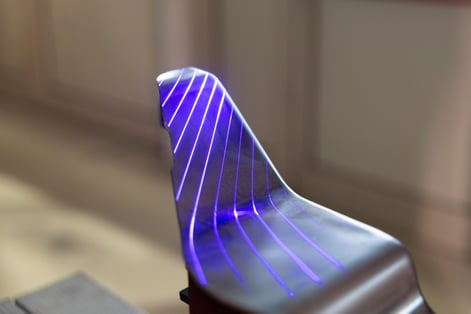
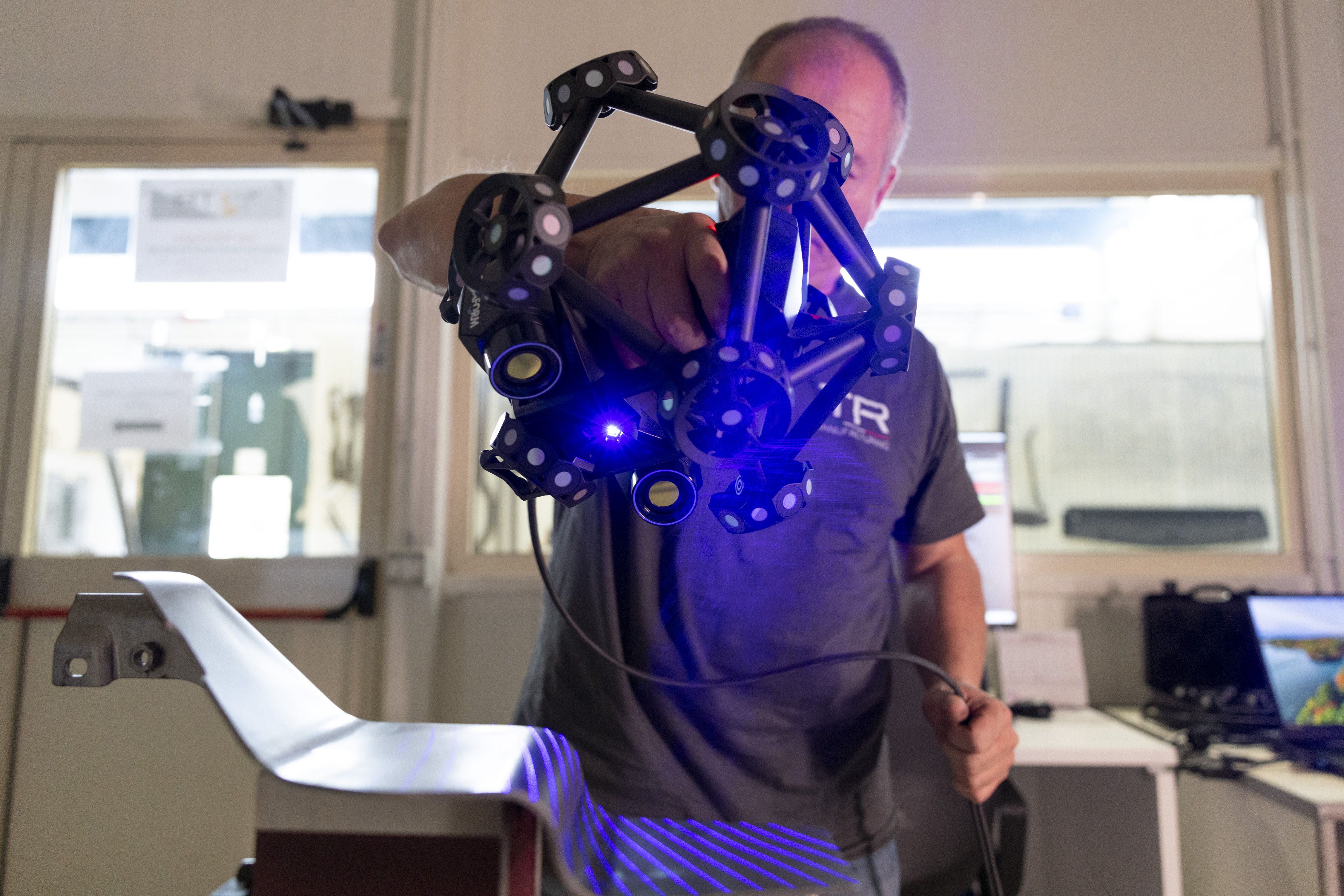
In the most advanced models, quality control is not concentrated only on the finished product, but distributed throughout the process:
- Dimensional checks after bending
- Weld inspections
- Monitoring of surface treatment cycles
- Final assembly checks
This approach, adopted by TR Industrial, reduces variability and increases stability in serial production, protecting the OEM buyer from escalations and recurring non-conformities.
Fewer Suppliers, More Accountability: Risk or Reward?
Reducing the number of strategic suppliers is one of the main reasons OEMs choose integrated production. However, this choice also implies greater dependence on the selected partner.
The right question is not whether it makes sense to reduce suppliers, but whether the partner is structured to sustain this responsibility over time, in terms of:
- Methodology
- Production capacity
- Organization
- Process robustness
It is on these elements that TR Industrial positions itself as an industrial partner, not just a supplier.
How to Evaluate a Partner with Integrated Production
During the decision-making phase, certain questions help quickly clarify the level of real integration:
- Does the partner support industrialization, or just production?
- Are quality checks performed throughout the process or only at the end?
- Is there experience with complex structural assemblies?
- How are critical issues during series ramp-up managed?
These are the same questions on which TR Industrial bases its preliminary technical assessment with OEMs, even before entering the economic evaluation phase.
How Integrated Production Boosts Industrial Reliability
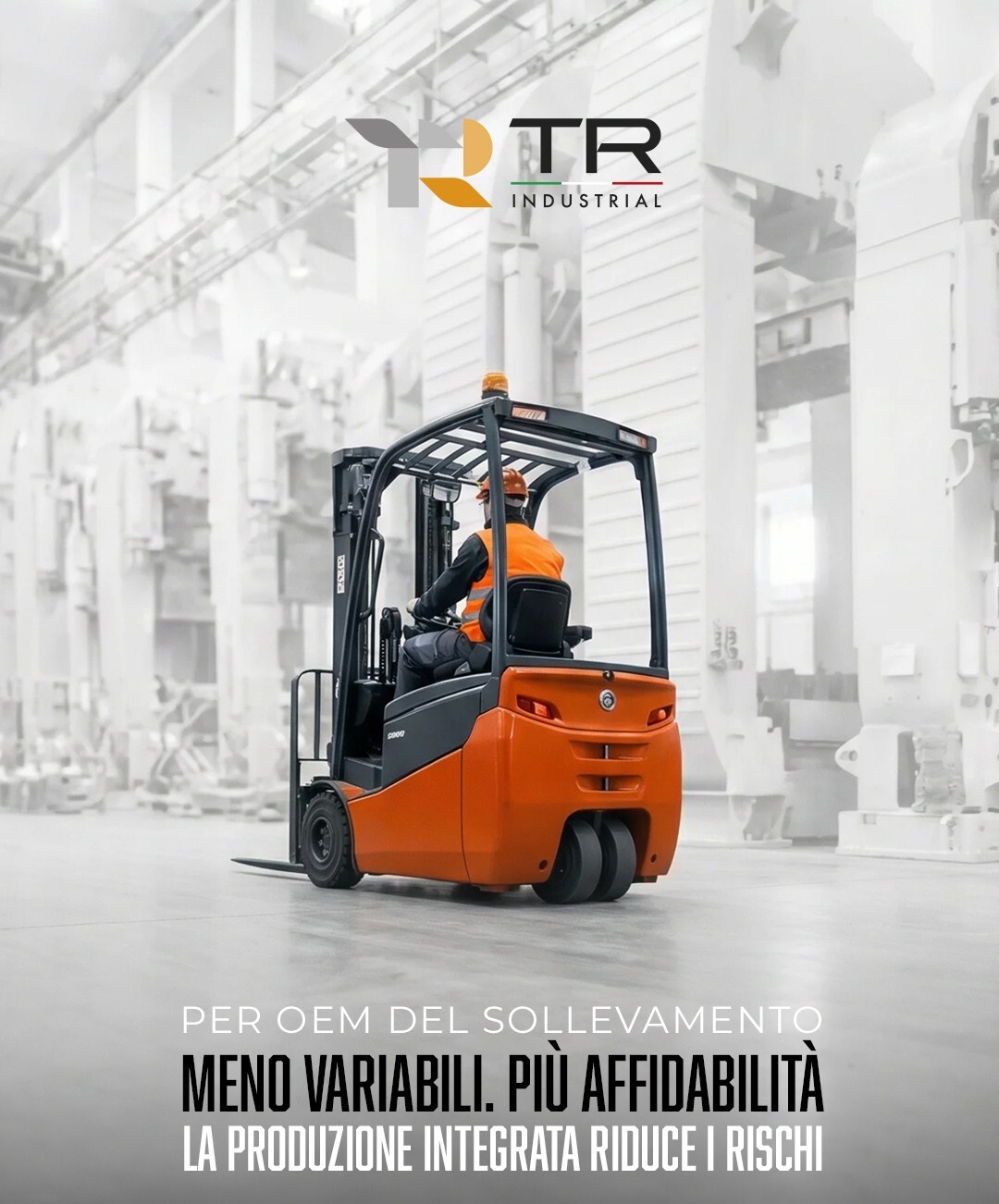
For lifting OEMs, integrated production is not a tactical choice, but a structural decision that impacts reliability, production continuity, and long-term competitiveness.
The difference is not in the number of processes managed, but in the ability to turn complexity into control.
It is precisely on this principle that TR Industrial has built its industrial positioning.